WorkSocial Skills Animation
Turning social stories into animations a therapist can build inside a session
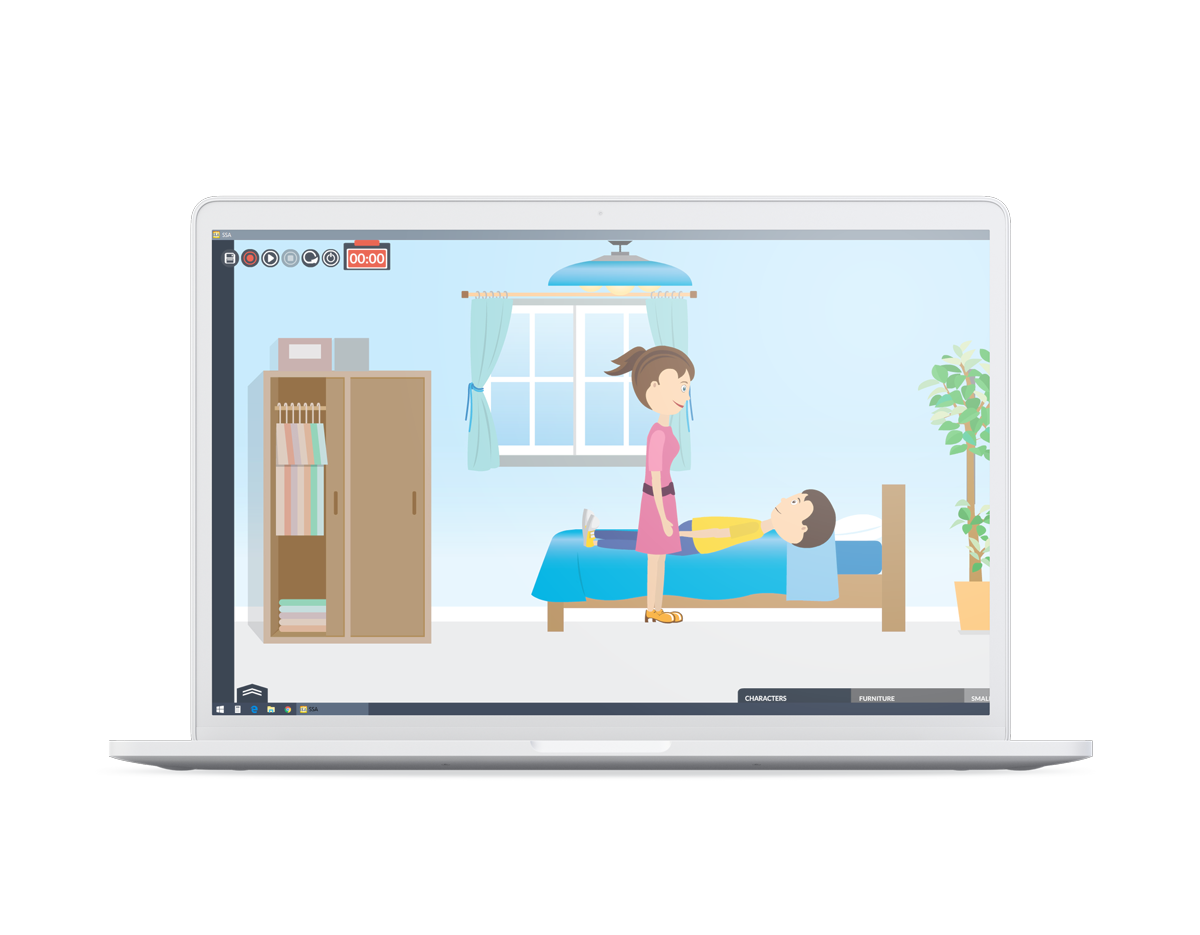
Therapists teach everyday social situations with picture cards and comic strips — static, and drawn by hand for each child. SSA turns a social story into a short animation the therapist assembles and plays back on the spot, on a phone, tablet or PC. Nothing comparable existed to work from, so as lead designer I built it from the domain up — the research, the UI, and the character and animation library it runs on. As the company grew I took on Head of Animation alongside the design lead role — hiring and training the three animators who went on to produce the work — and I designed the company's brand, its website and its collateral.
My role
- Lead designer
- Head of Animation — built and led the team
- Establishing UX/UI guidelines
- Gathering data from institutes
- Character & animation creation
- Company brand, website & collateral
The team
- CEO & Management
- Frontend & Backend Developers
- Product Management
- Ekkinisi Institute
- Therapists
- Animation Team
Deliverables
- Therapeutic interviews
- Workshop preparations
- User-flow optimisation
- Mock-ups
- Prototypes
- Animation library
01
Learning the domain
No competitor existed to study, so the requirements had to come from the people doing the work — autism institutes and the therapists inside them.
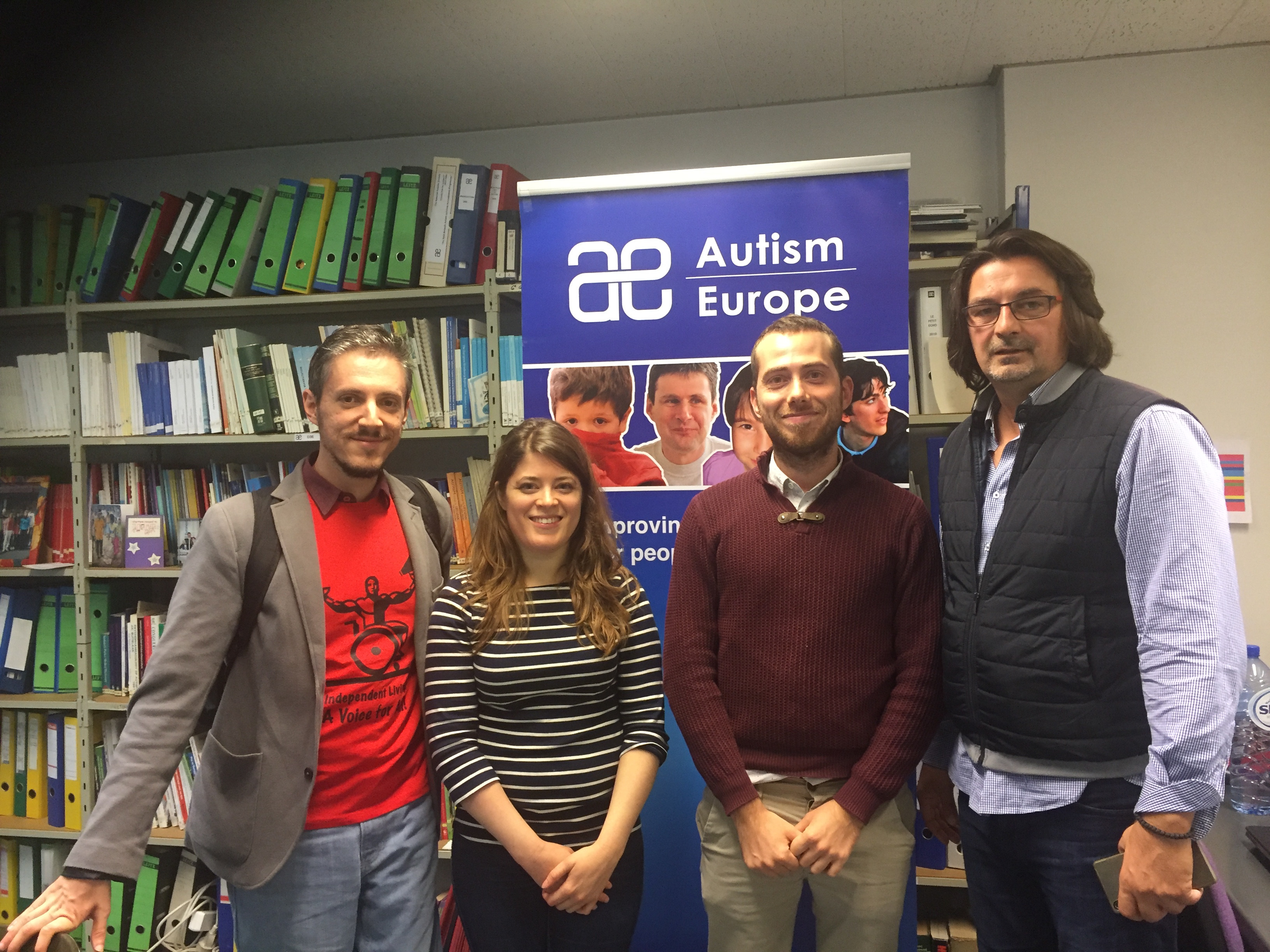
I couldn't benchmark this one. Nothing comparable existed, so the brief had to be built out of clinical practice — sessions observed, therapists interviewed, workshops run inside institutes working with people on the autism spectrum. We took the work to Autism Europe in Brussels — the leading organisation in the field — and they stood behind the app from the start. That endorsement is the reason the rest of the research was possible: it opened the doors to the institutes and the therapists whose practice the product had to be built from. Chief among them was the Ekkinisi Institute in Athens — a whole multidisciplinary team of therapists, and the many children on the spectrum they treat. They worked with us across the project rather than being consulted once at the start, so every decision could be checked against real sessions with the people the product was for.
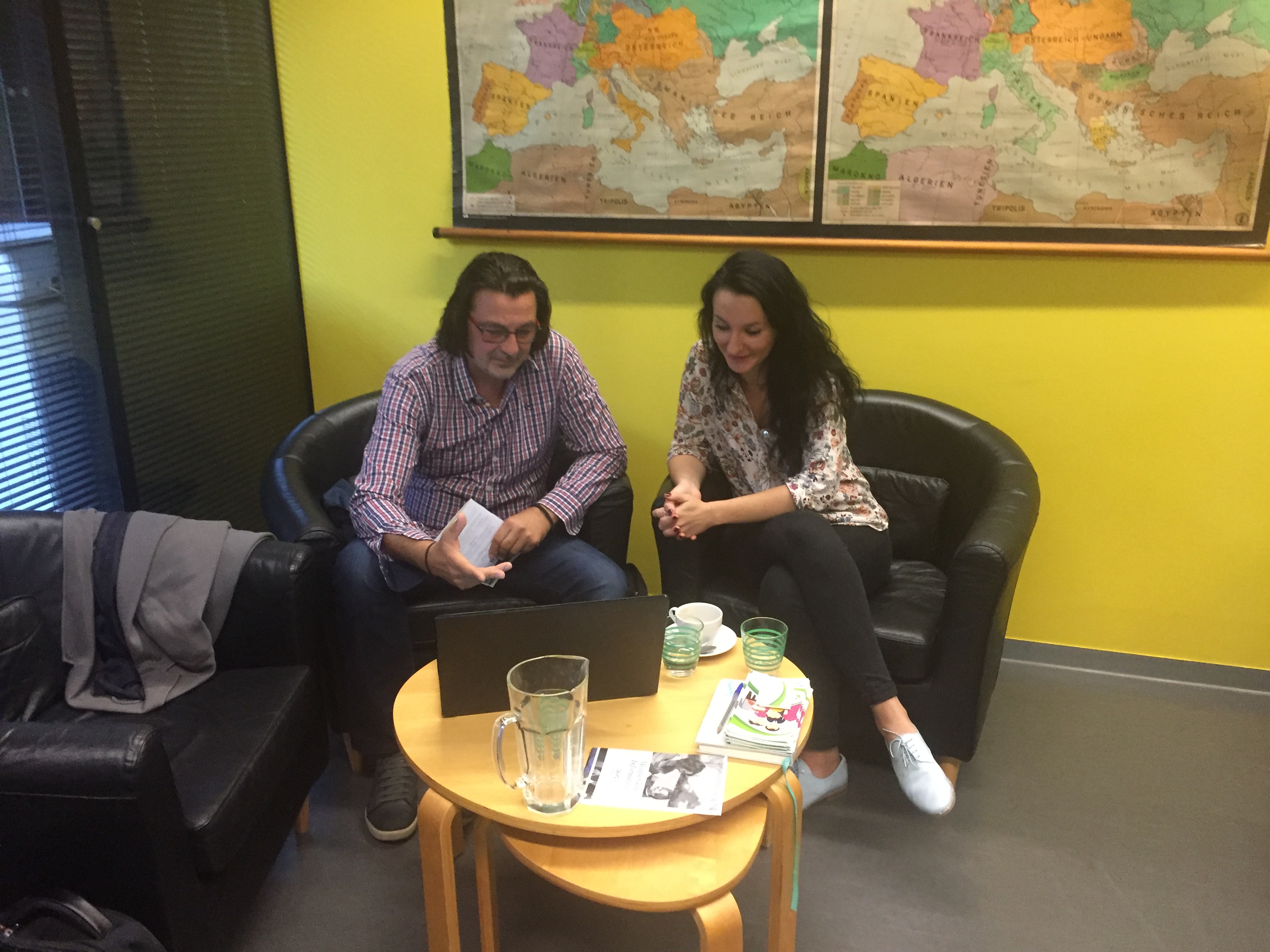
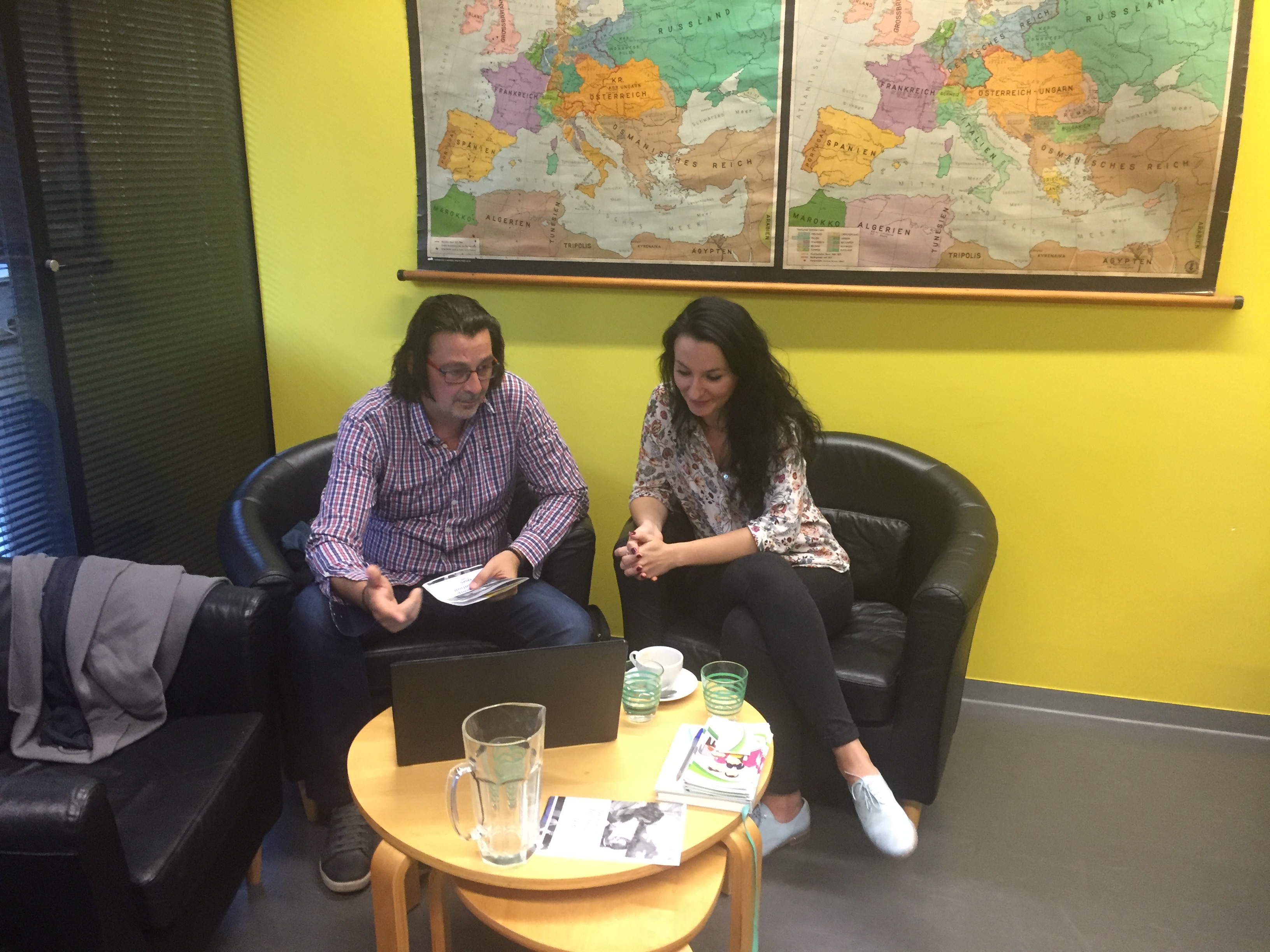
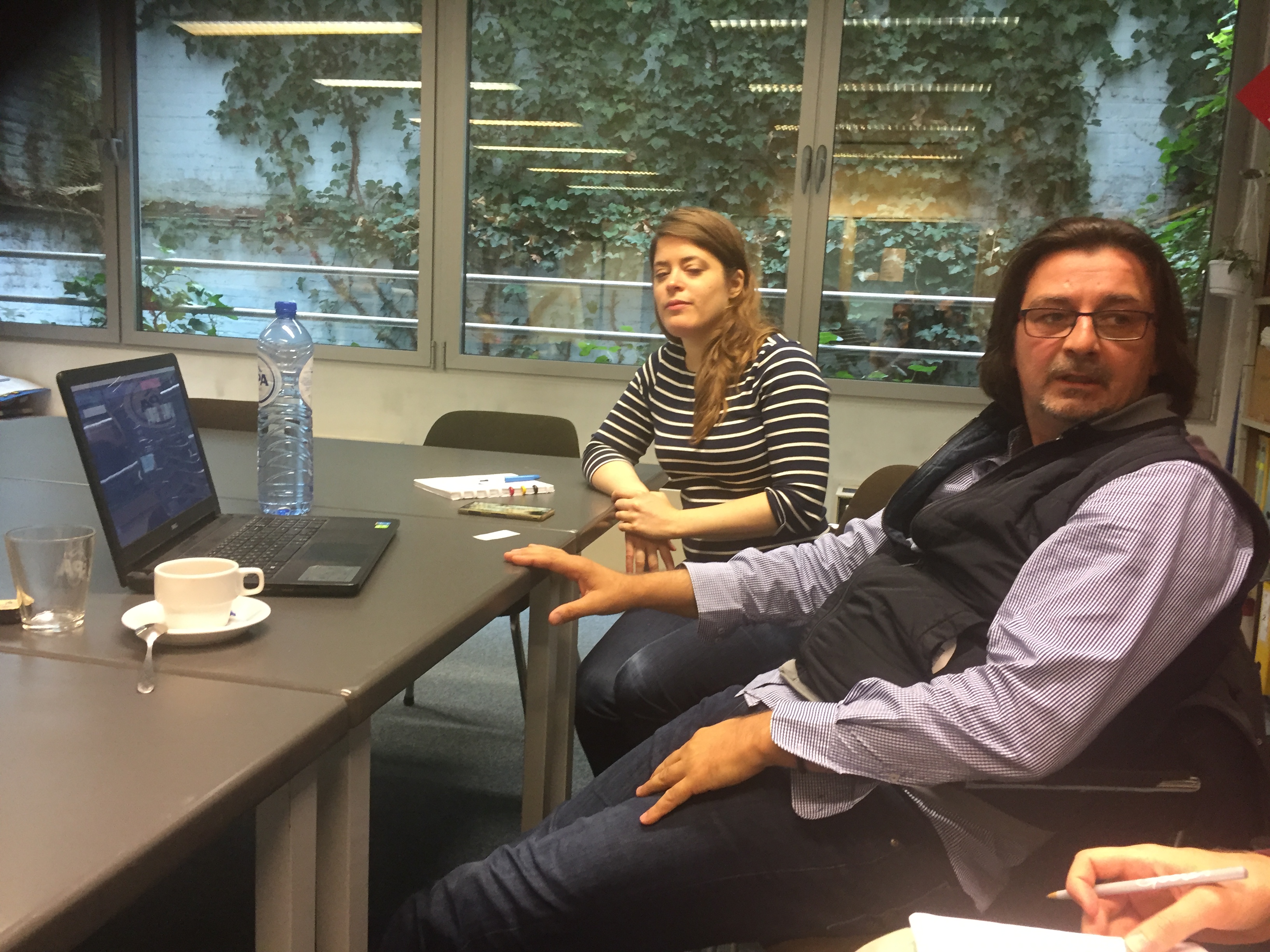
Two things came out of it. Therapists were teaching social situations with picture cards and comic strips — static, and hand-made for each child, so a scenario took as long to prepare as to use. And people on the spectrum respond markedly to motion and colour: attention holds, and the sequence of a situation lands in a way a row of still cards can't carry.
If motion is what holds attention, the therapy shouldn't be a picture. It should move — and the therapist should be able to build it in the session, not the night before.
That set the product: not a fixed set of stories, but a modular one. The therapist picks an environment, drops in characters, sets their emotions, and adds the actions between them — then plays the result back to the child immediately. Each animation is one short real-life moment, small enough to be taken in and understood by the person the therapy is for.
- Environment
- Characters
- Emotions
- Actions
- Play it back
The library grew into whole modules around the places a child actually has to navigate —House, School, Vacation — each with its own environments, objects and actions. Because the parts recombine, a therapist composes the exact situation a particular child is struggling with, rather than picking the nearest ready-made story.
02
Character creation
Not illustration for its own sake — a cast built to be recombined, recognised, and read at a glance.
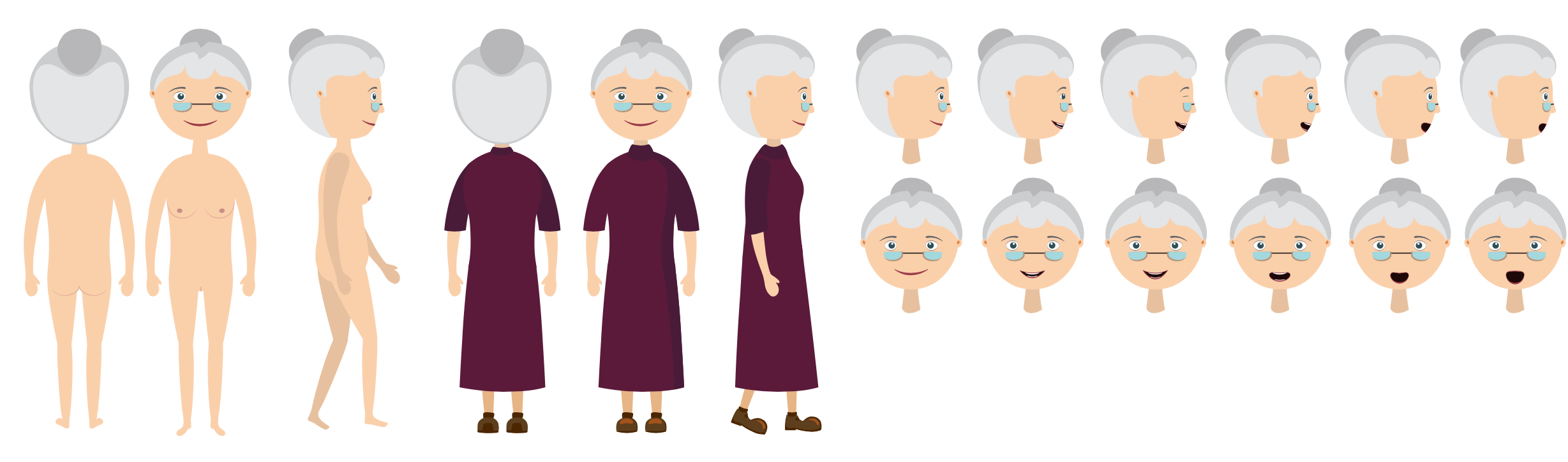
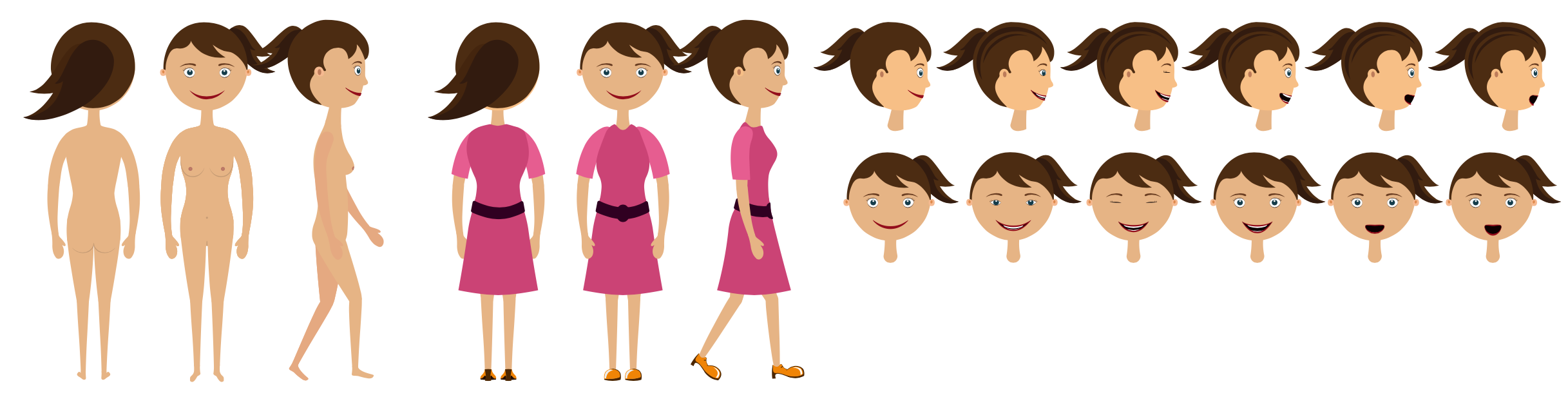
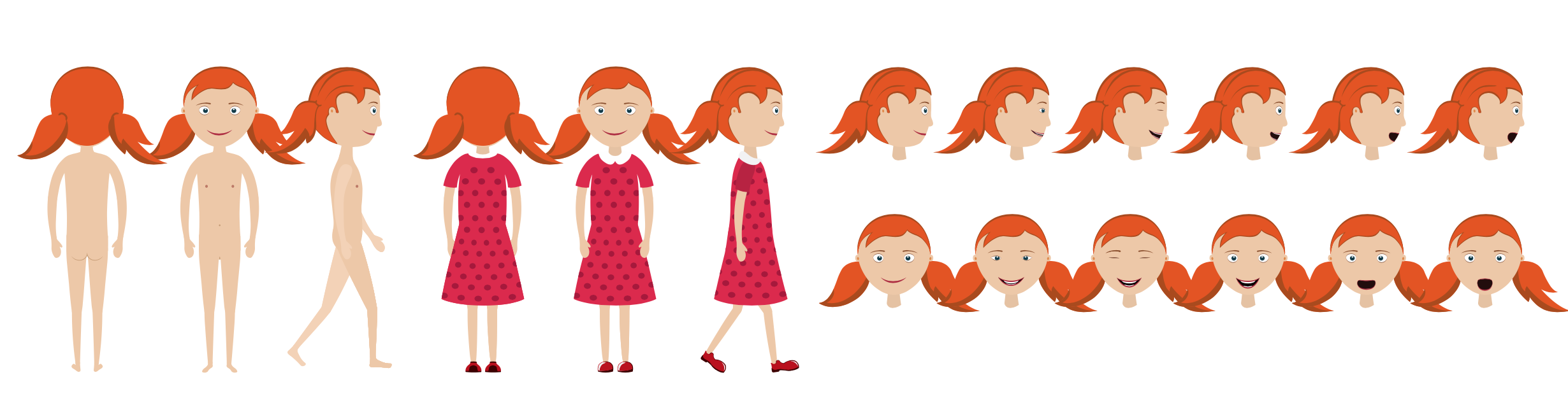
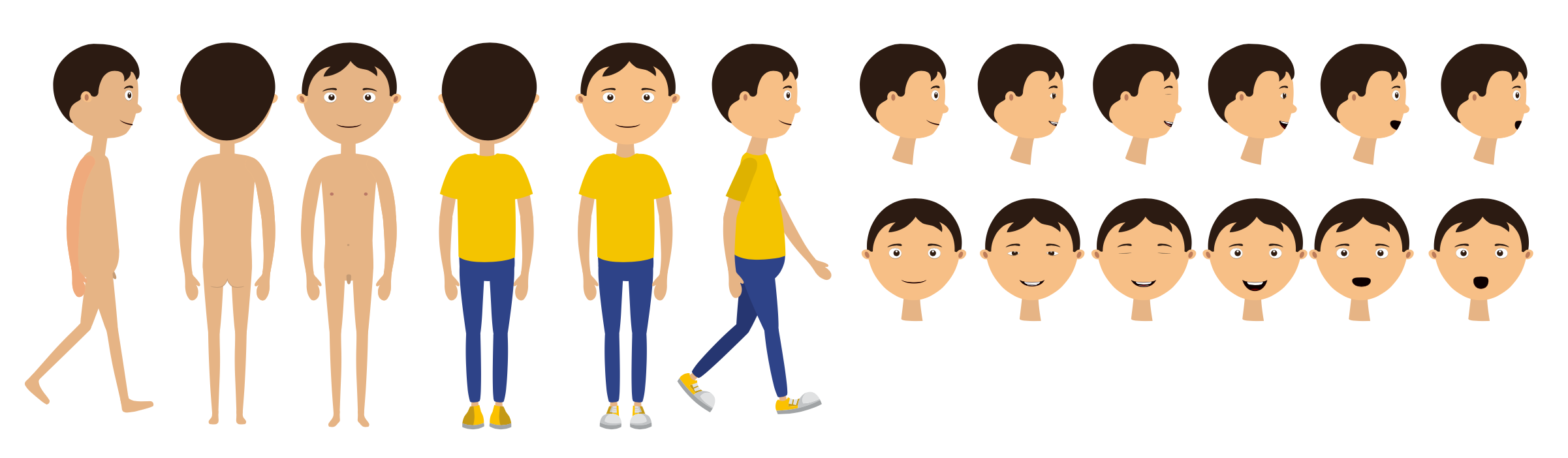
A modular product only works if the parts belong together, so the cast wasn't drawn as loose characters — it was built as one extended family: grandparents, mother, father, brothers and sisters. A full range of ages and body types that already belong together, so a therapist has the people a real situation contains, and the child has someone in the scene to recognise as themselves. Every character had to hold up beside every other one, in any environment, at any size.
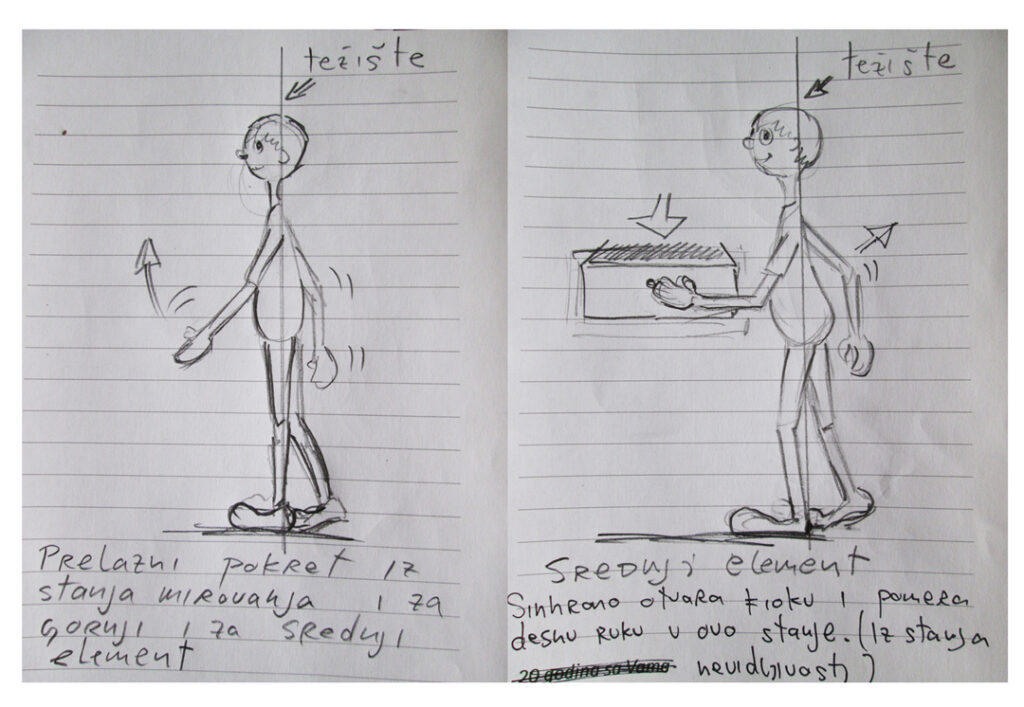
First sketches
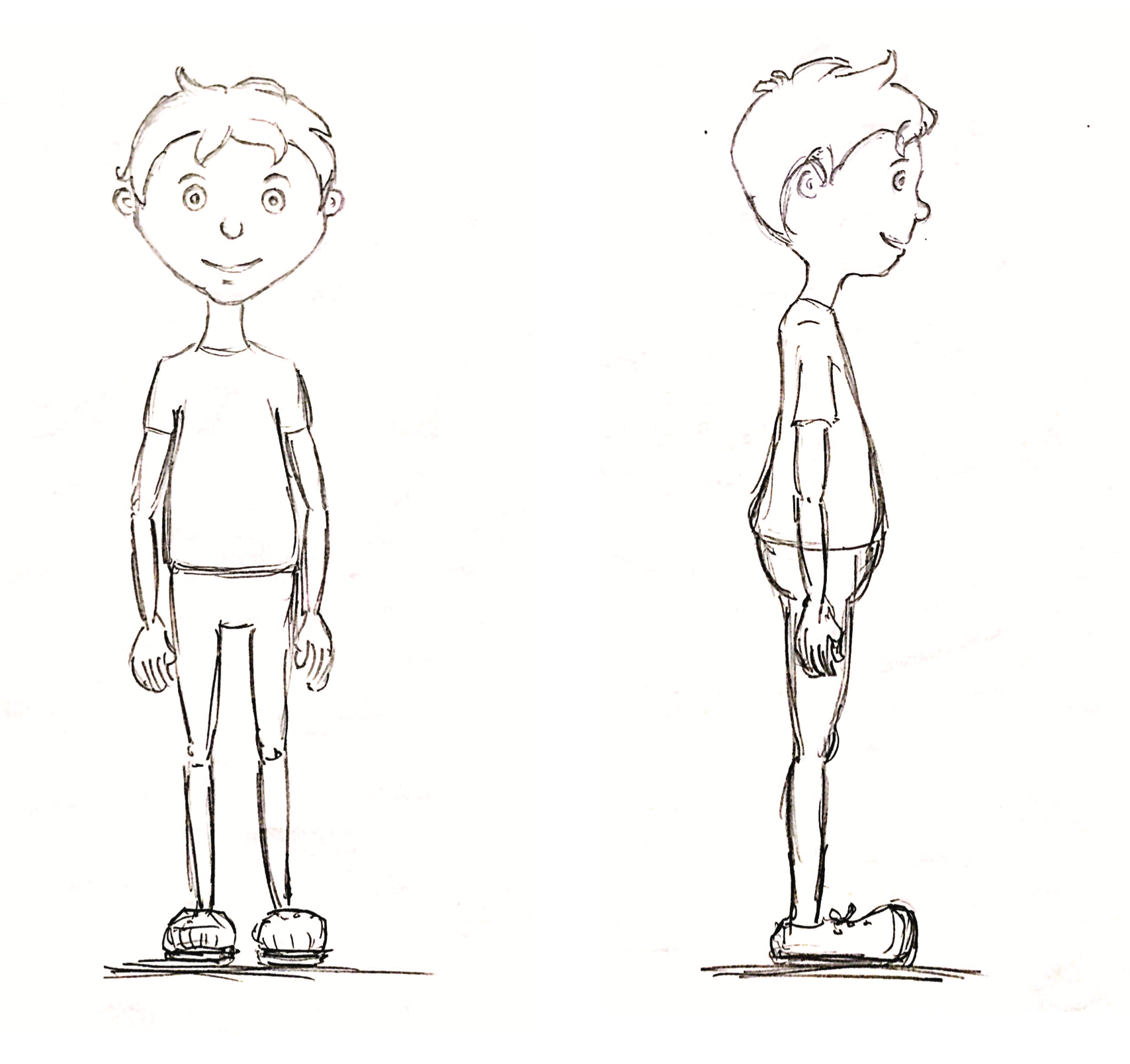
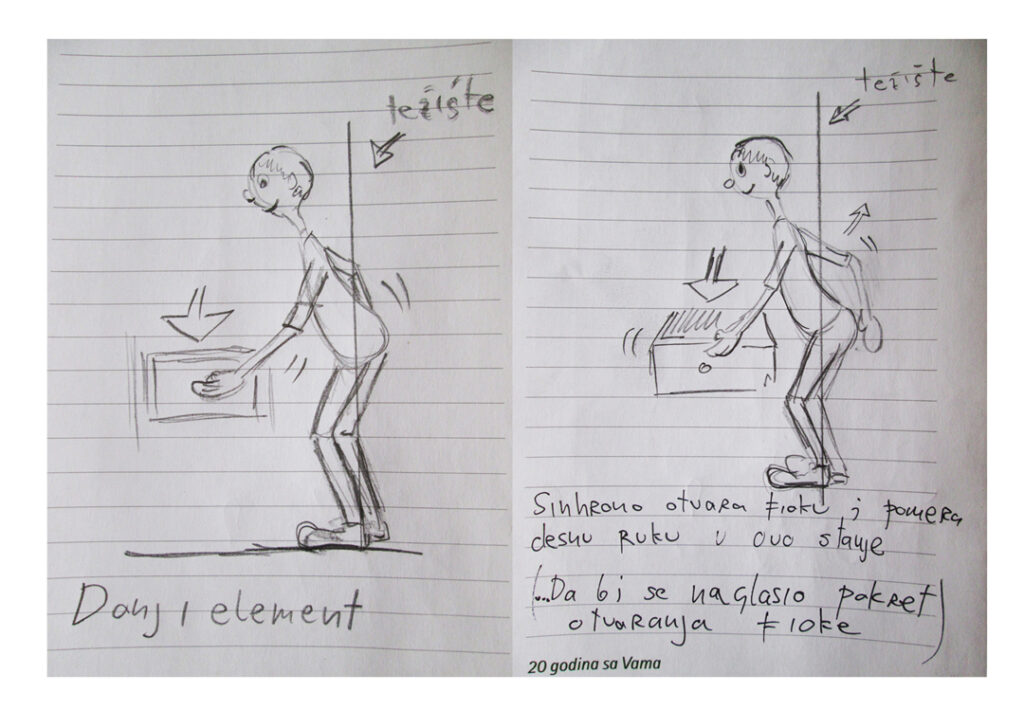
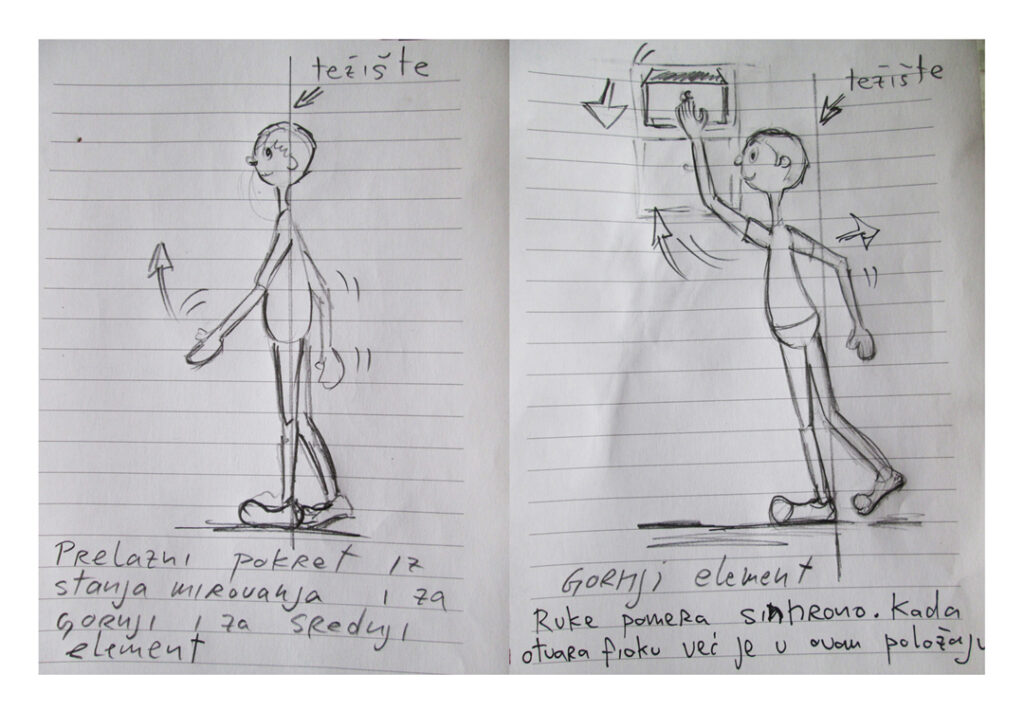
The first pass was on paper — finding a style simple enough to read instantly on a small screen, but warm enough that a child wants to look at it. Proportions were tested here: the same construction had to work for a grandparent and for a small child.
Final illustrations
The finished family, drawn to one construction so any character can stand next to any other without the scene falling apart. Flat colour and clean outlines keep them legible at animation size and quick to reuse across every environment in the library.
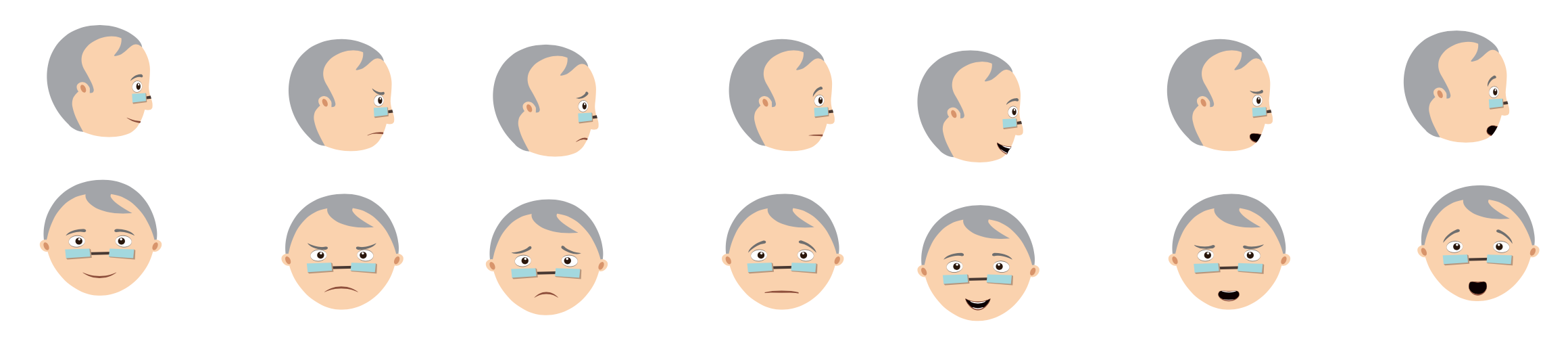
Adding emotions
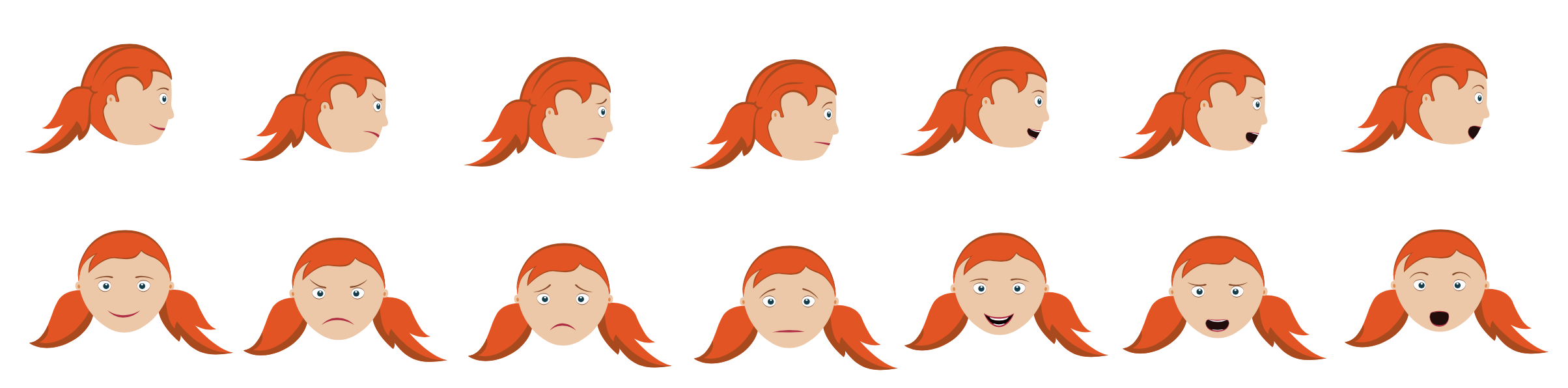
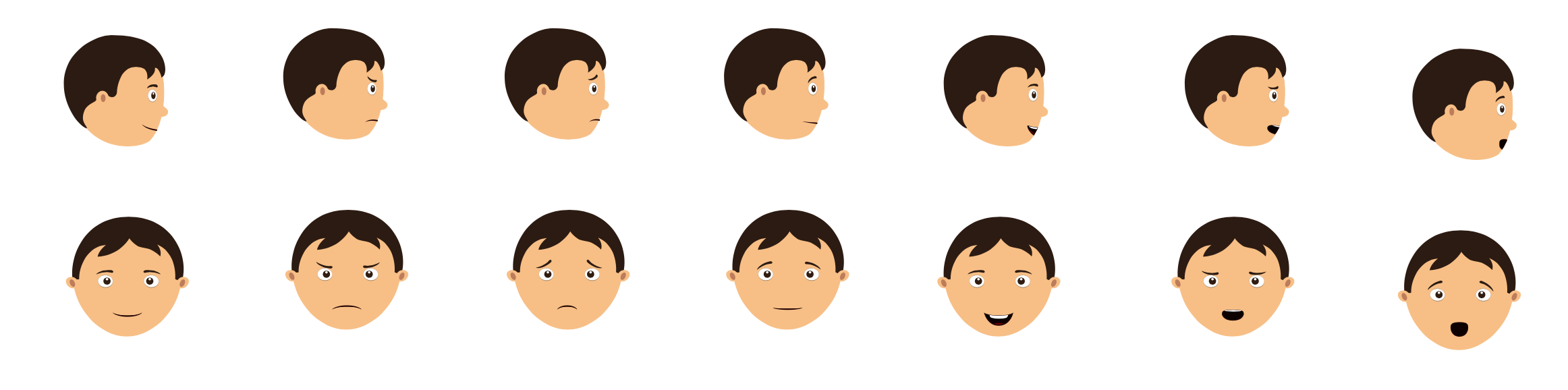
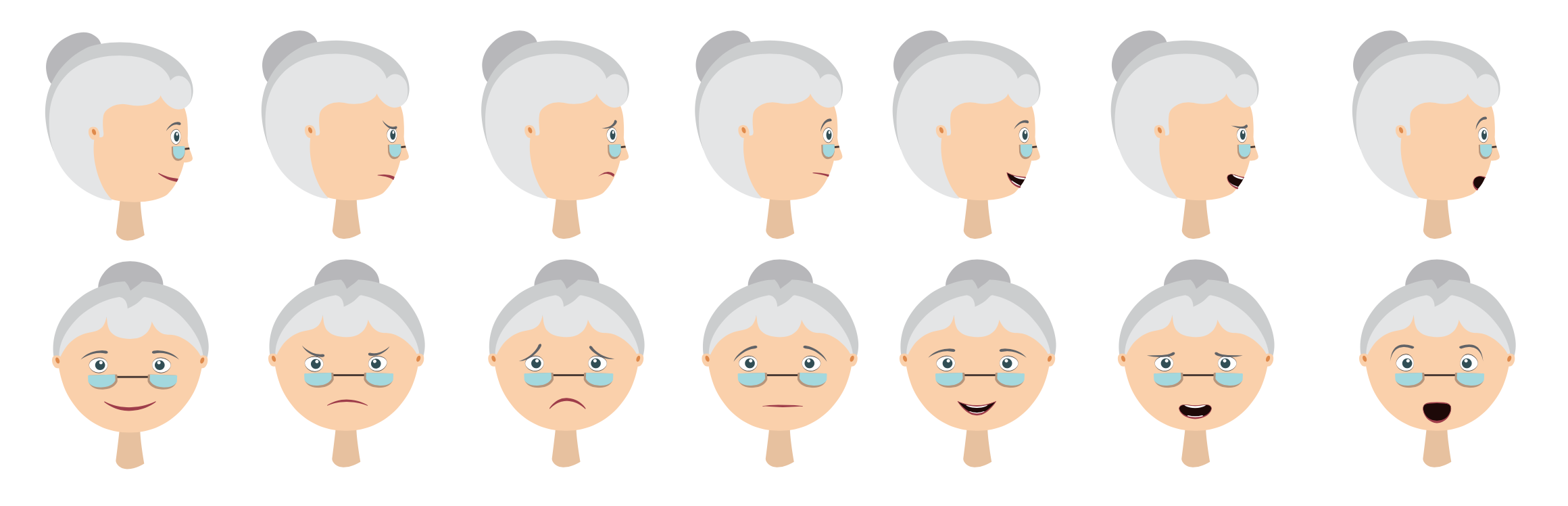
Emotion is the part of a social situation the therapy is usually about, so expressions couldn't be decorative — they had to be unmistakable. Each character carries a set of clearly separated states, drawn so the difference reads instantly at the size a phone shows them, and so a therapist can point at one and a child knows which feeling is meant.
03
The application
Many iterations, from paper sketches to a working prototype where the therapist builds each scene.
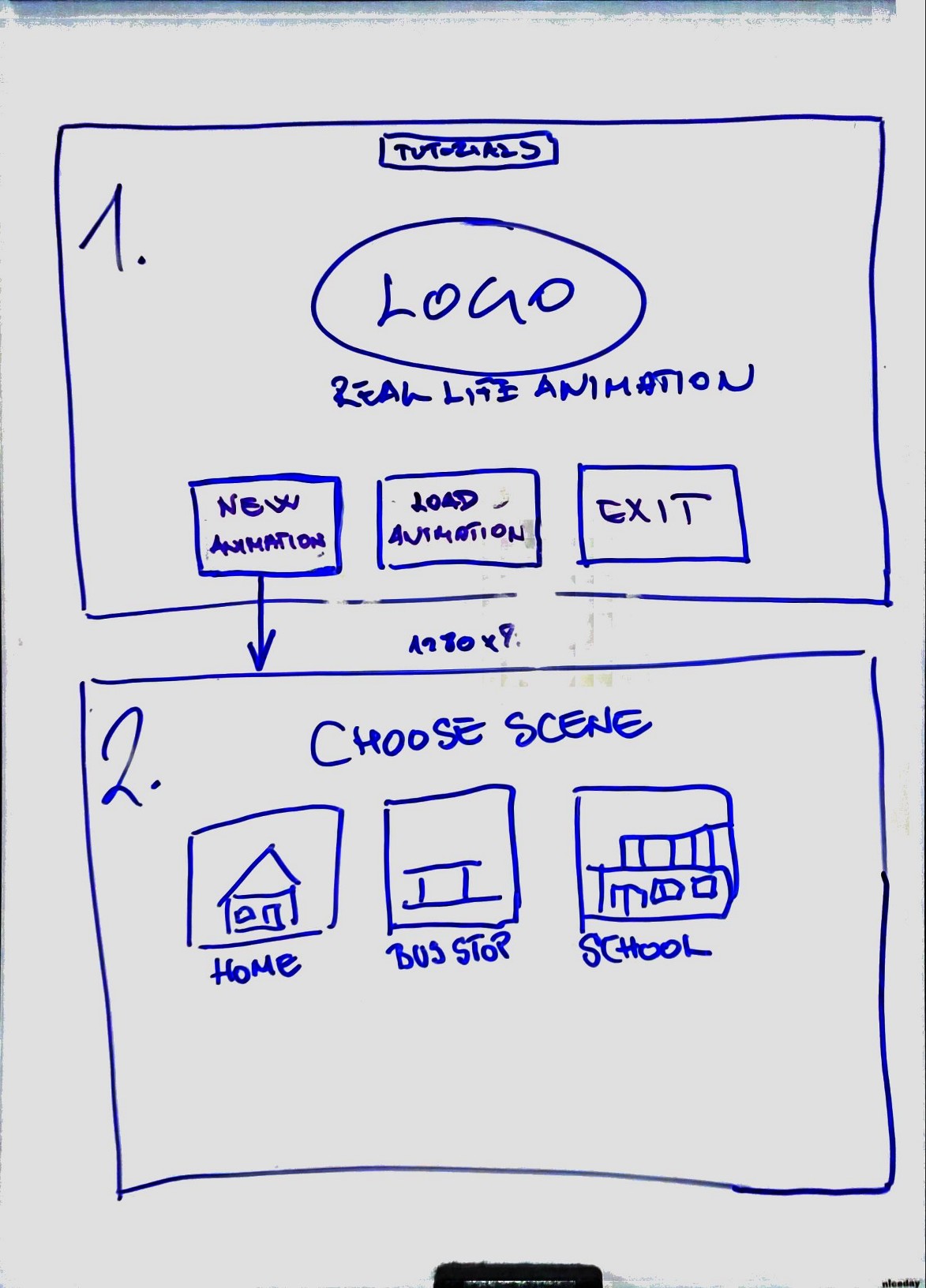
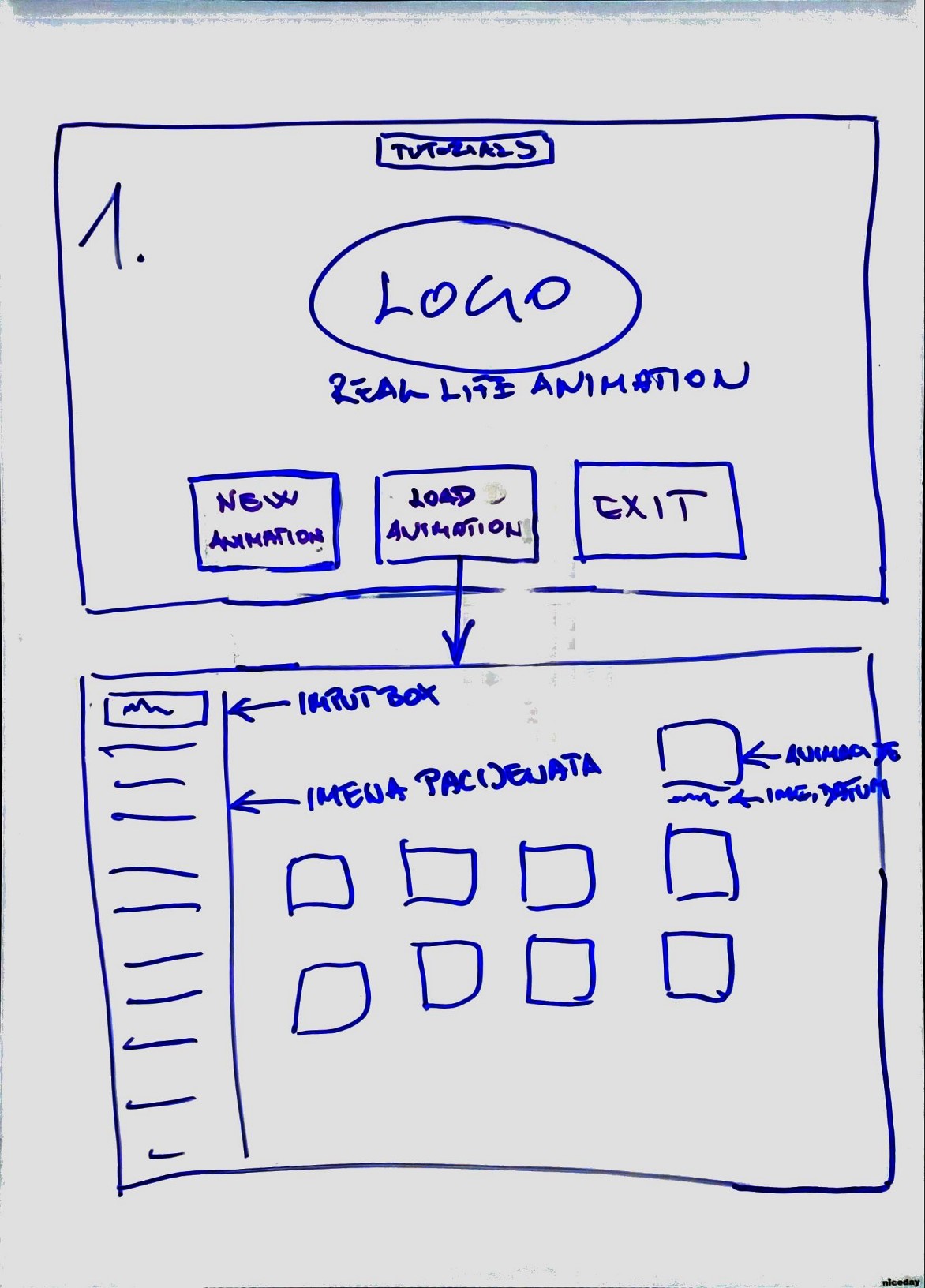
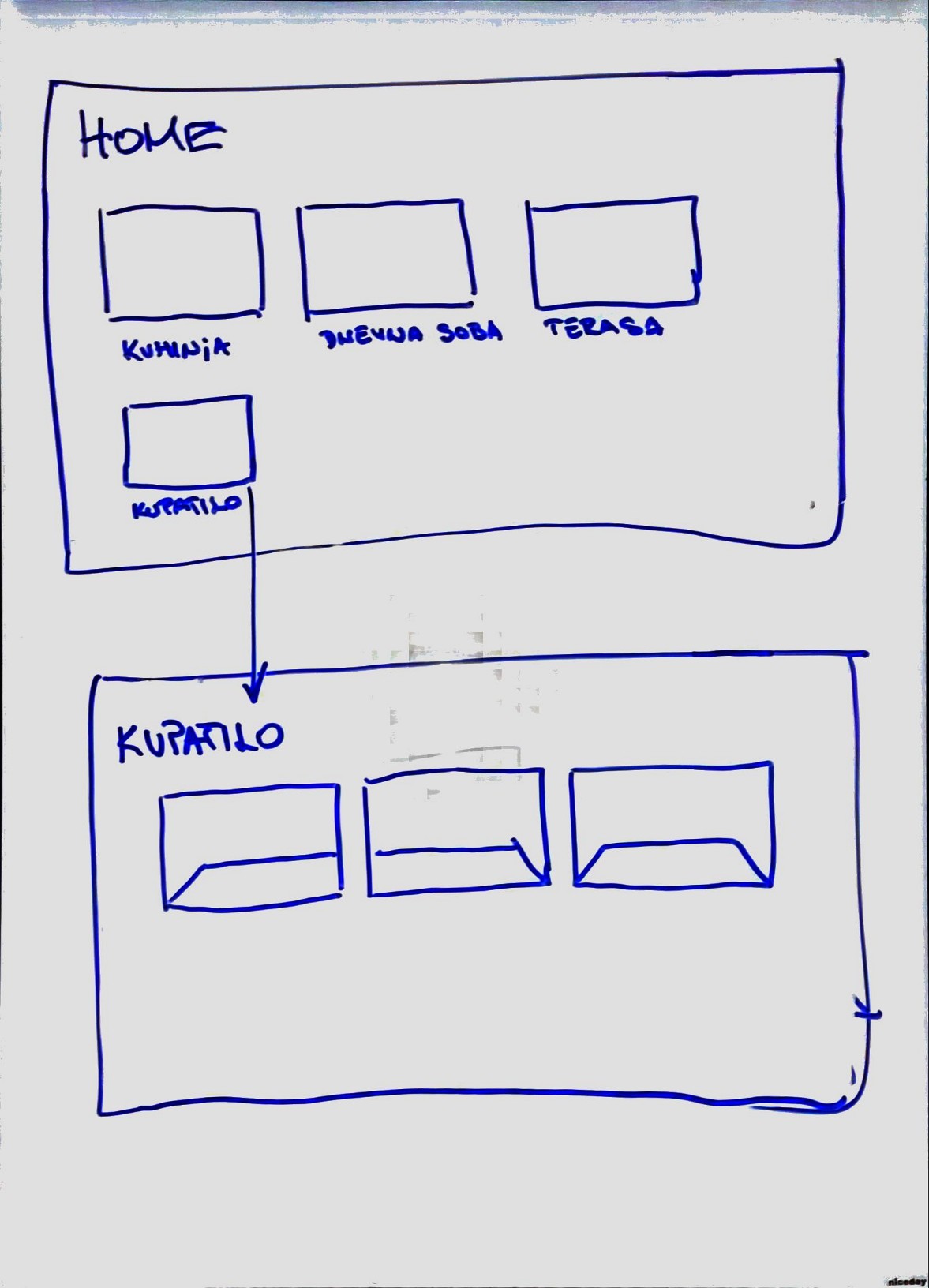
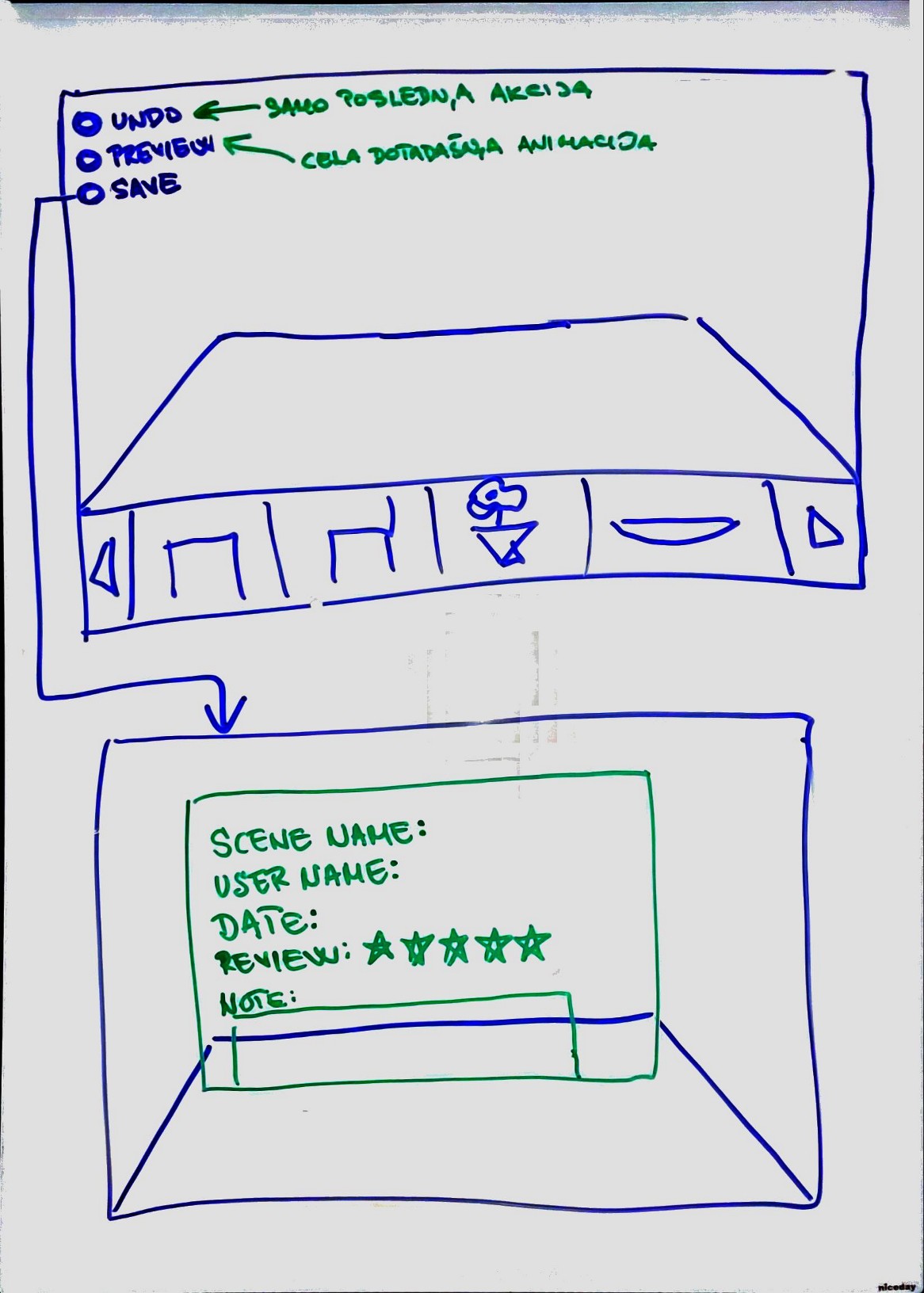
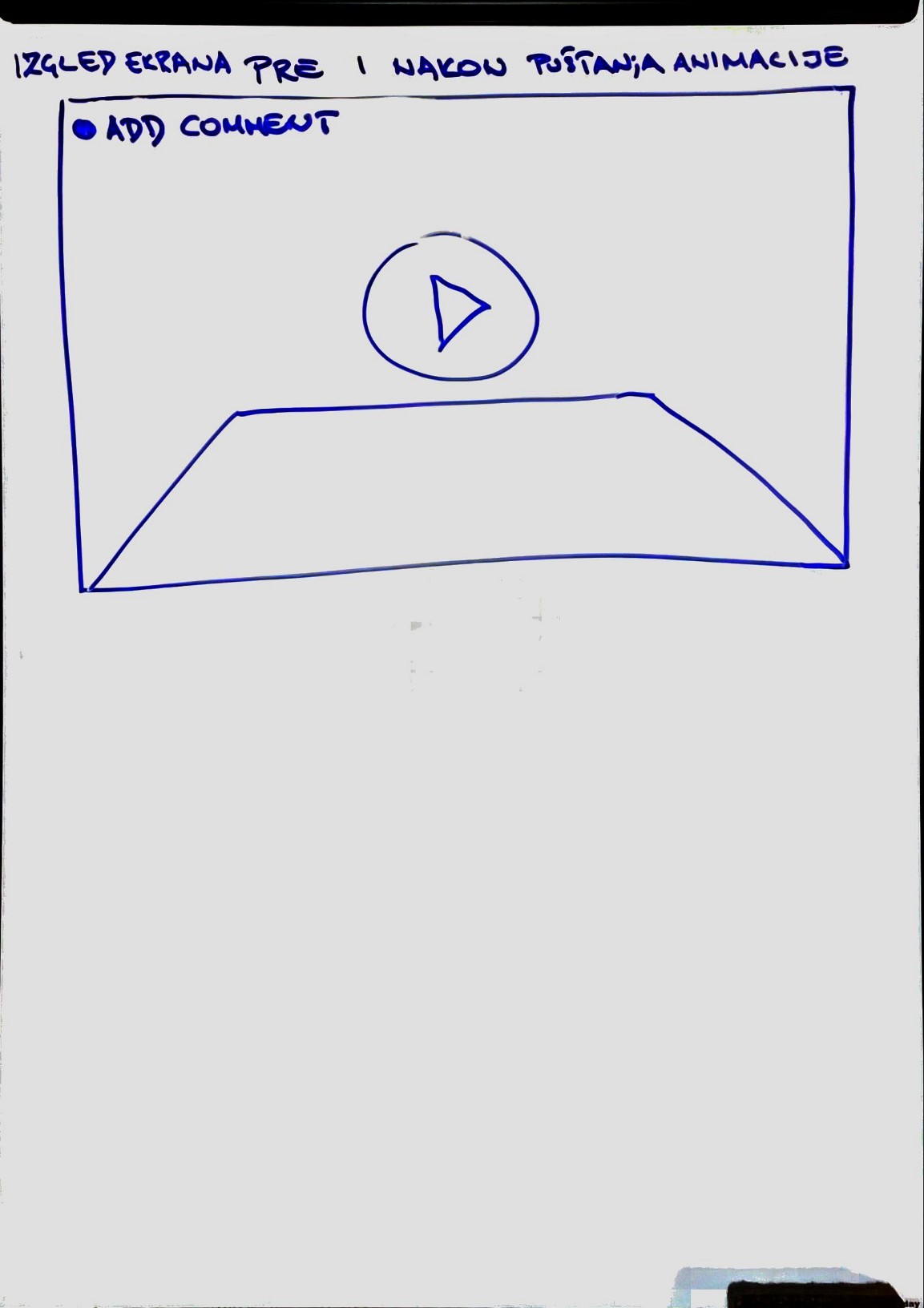
Paper sketches
The hard part wasn't the screens — it was the order. A therapist is building a scene while a child waits, so every step had to earn its place: choose the environment, then the people, then what they feel, then what they do. These paper passes were where that sequence got argued out, long before anything was drawn properly.
First designs
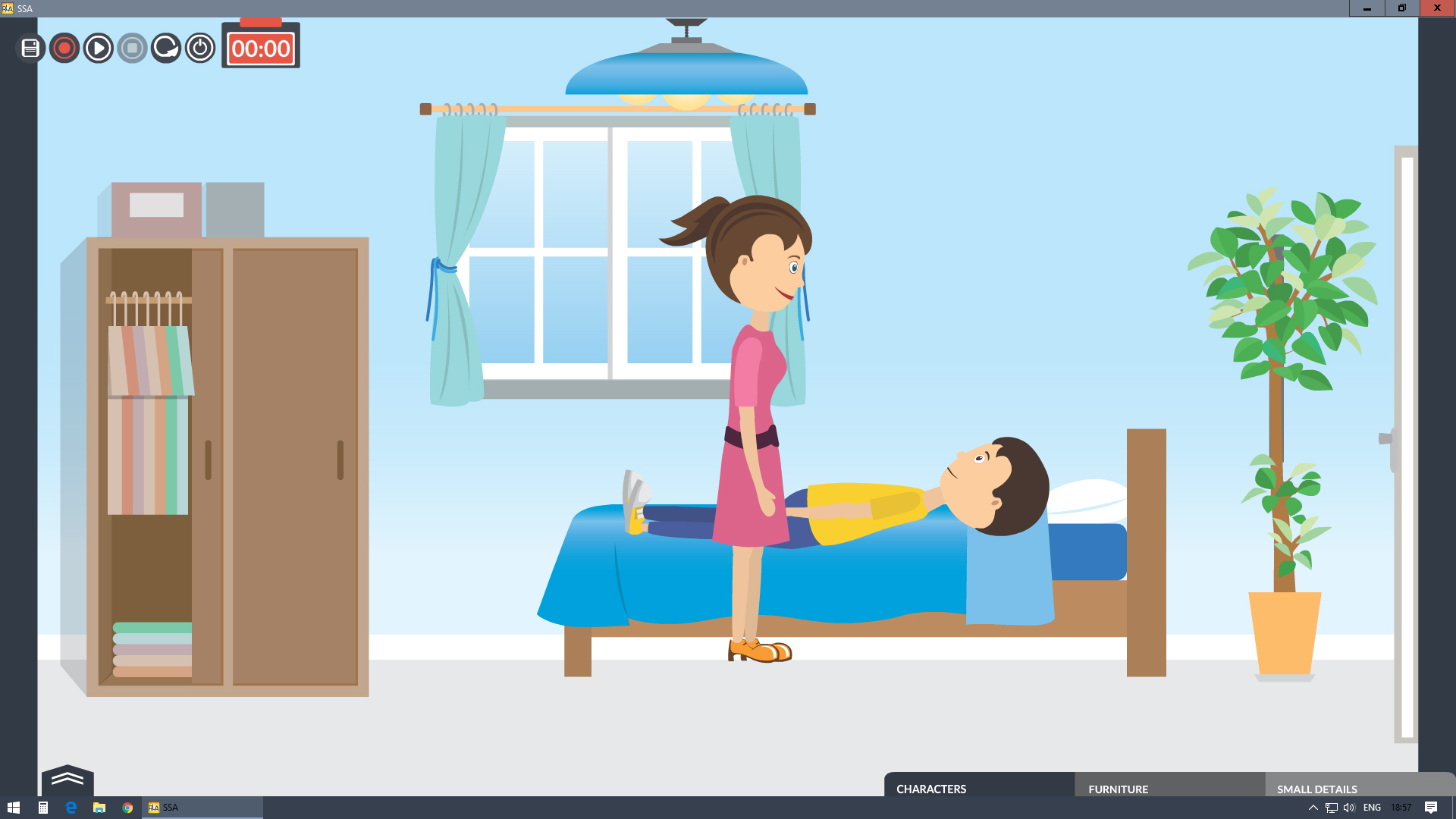
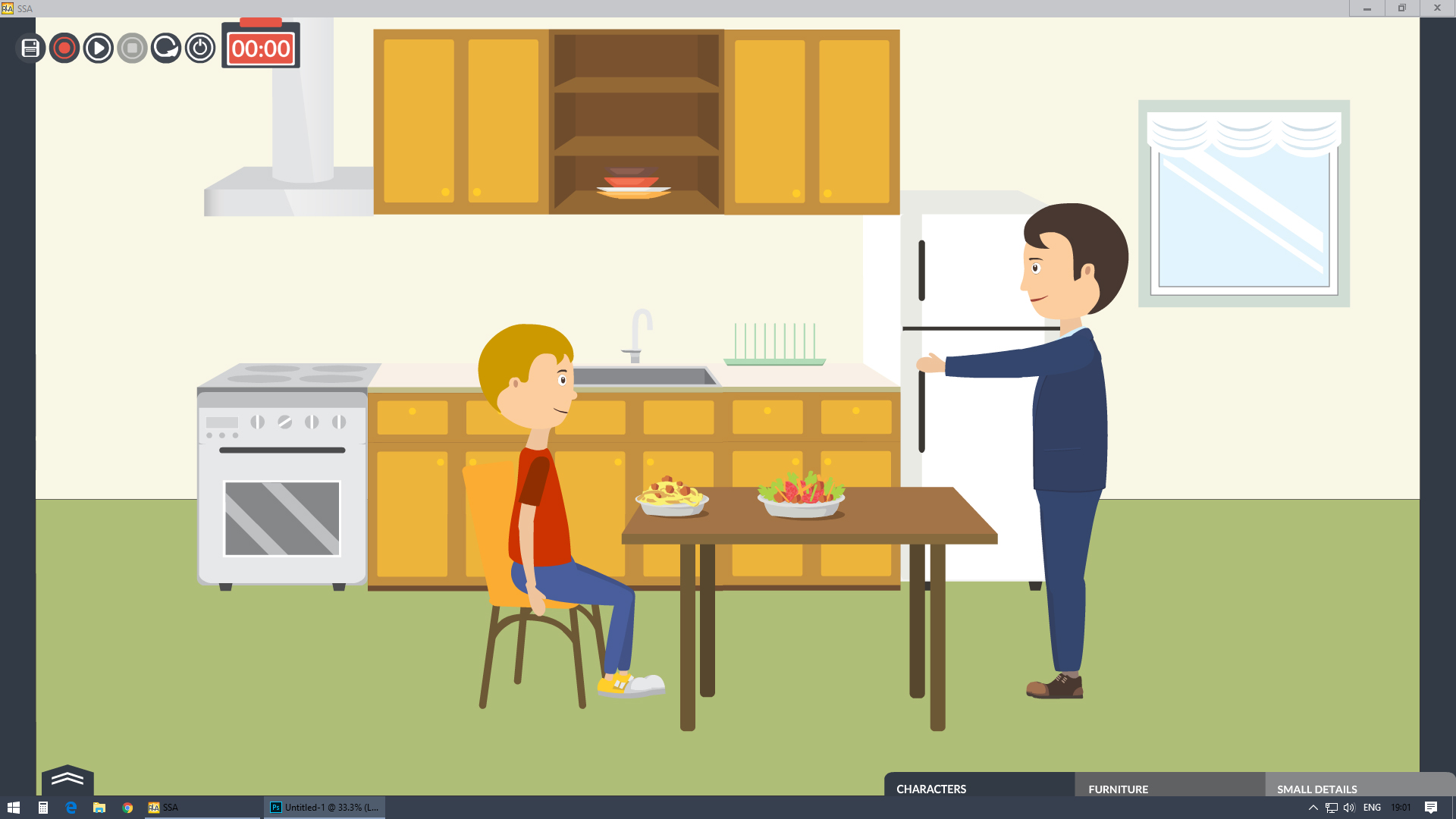
The first designed screens put that sequence on the device. Large touch targets, few controls visible at once, and the scene always in view — because the therapist is working one-handed, mid-session, with a child's attention to hold.
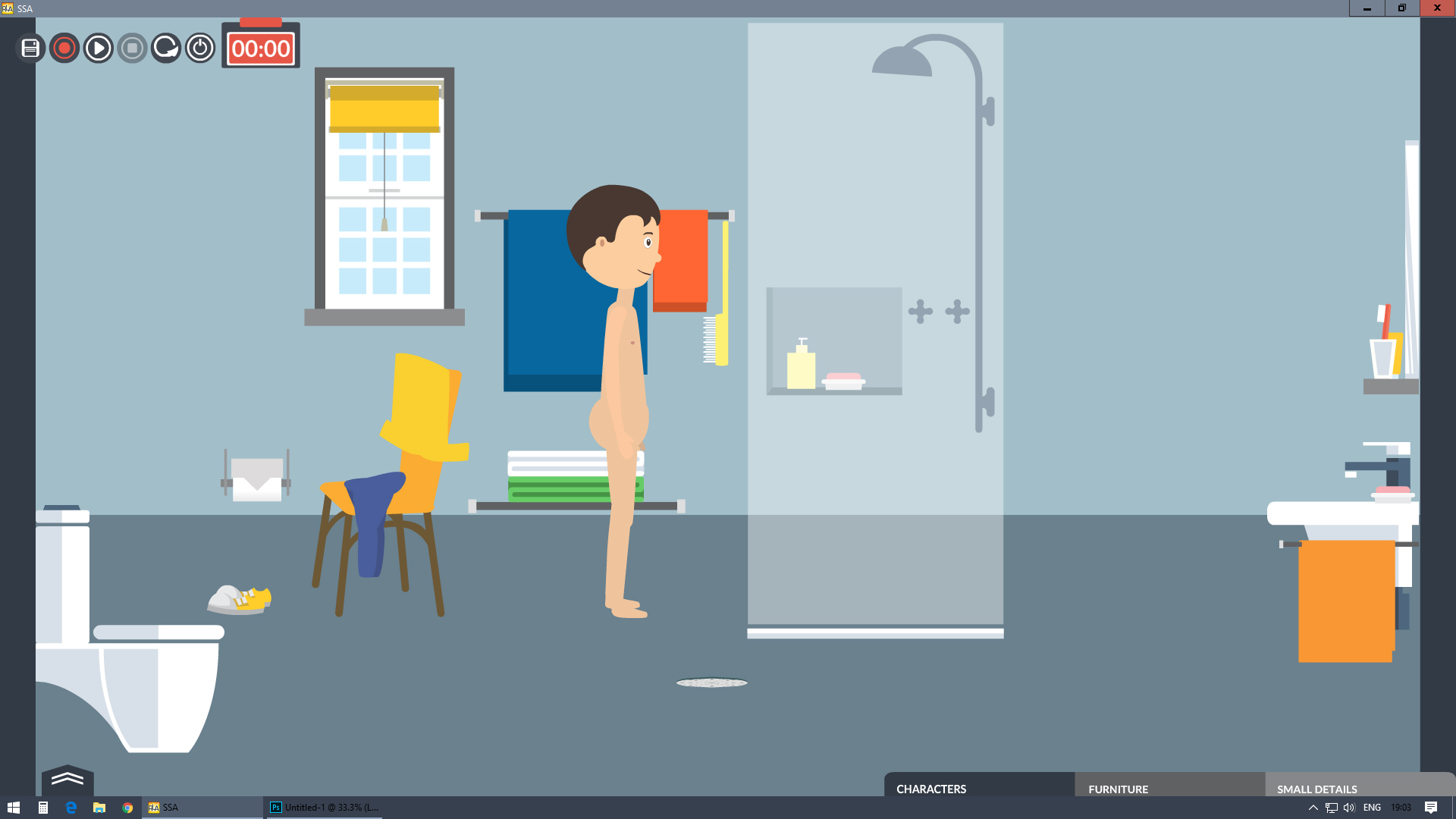
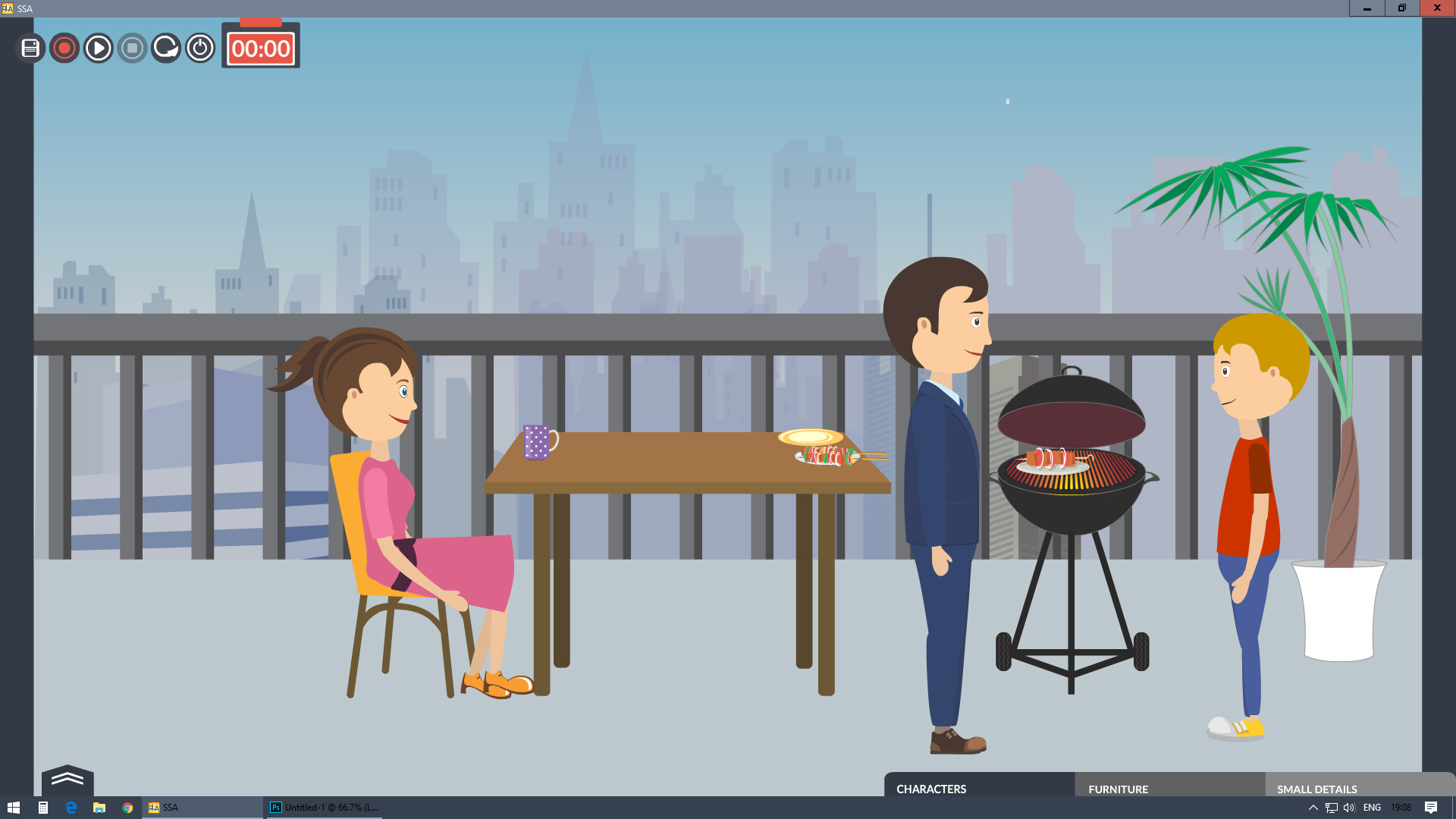
Prototype in action
The working prototype, one step per recording — the modular model actually running. Environment first, then characters, then the interactions between them, then interactions with the objects around them. Four pieces, recombined, are what produce every scenario in the library.
04
Outcome
Used with patients in real institutes, backed by Autism Europe, and named a WSIS Prizes Champion by the UN's ITU.
Approved
By Autism Europe
The leading organisation in the field — behind the app from the start
WSIS 2020
Champion — E-learning
Awarded in 2020 by the UN’s International Telecommunication Union, years after the build
In therapy
Used with patients in real institutes
Including the Ekkinisi Institute, Athens
Zero to one
Research and concept through to a working app
Design lead on a multidisciplinary clinical team
The first working prototype went into real institutes — among them the Ekkinisi Institute in Athens — where therapists used it in sessions and fed the results back into each iteration.
The children began to open up more and more. That was the result the whole product was built to reach.
The experts stayed involved from the first workshop in Brussels through to the released application, shaping and validating the product throughout.
Also recognised
Zero Project 2020 — Shortlisted, among innovative solutions supporting people with disabilities.
And it went further than opening up. Therapists reported children carrying the behaviour out of the animation and into the room — returning a greeting, washing their hands properly, working through an everyday sequence they had just watched a character complete. That transfer was the whole point of animating the story rather than describing it.
Reviews
With its interactive nature, intense colours, and emphasis on optical stimulus, SSA provides strong motivation for children and adolescents on the autism spectrum. Friendly, quick, and flexible, it lets the therapist work towards multiple goals while documenting results. So far the results are wonderful — it seems SSA will be useful for every therapist.
Clinical experience showed that an optical system can speed up learning. After three years of cooperation between our multidisciplinary team, programmers, and animators, a ready-to-use application was completed. It lets the therapist quickly transform a social story or comic strip into animation and present it instantly for a targeted therapeutic reason.
More work
View all SparkifyRebuilding a field-documentation app from scratch — and the design system behind it
 House of Mobile & GamesRedesigning an e-commerce homepage and lifting conversions by 46%
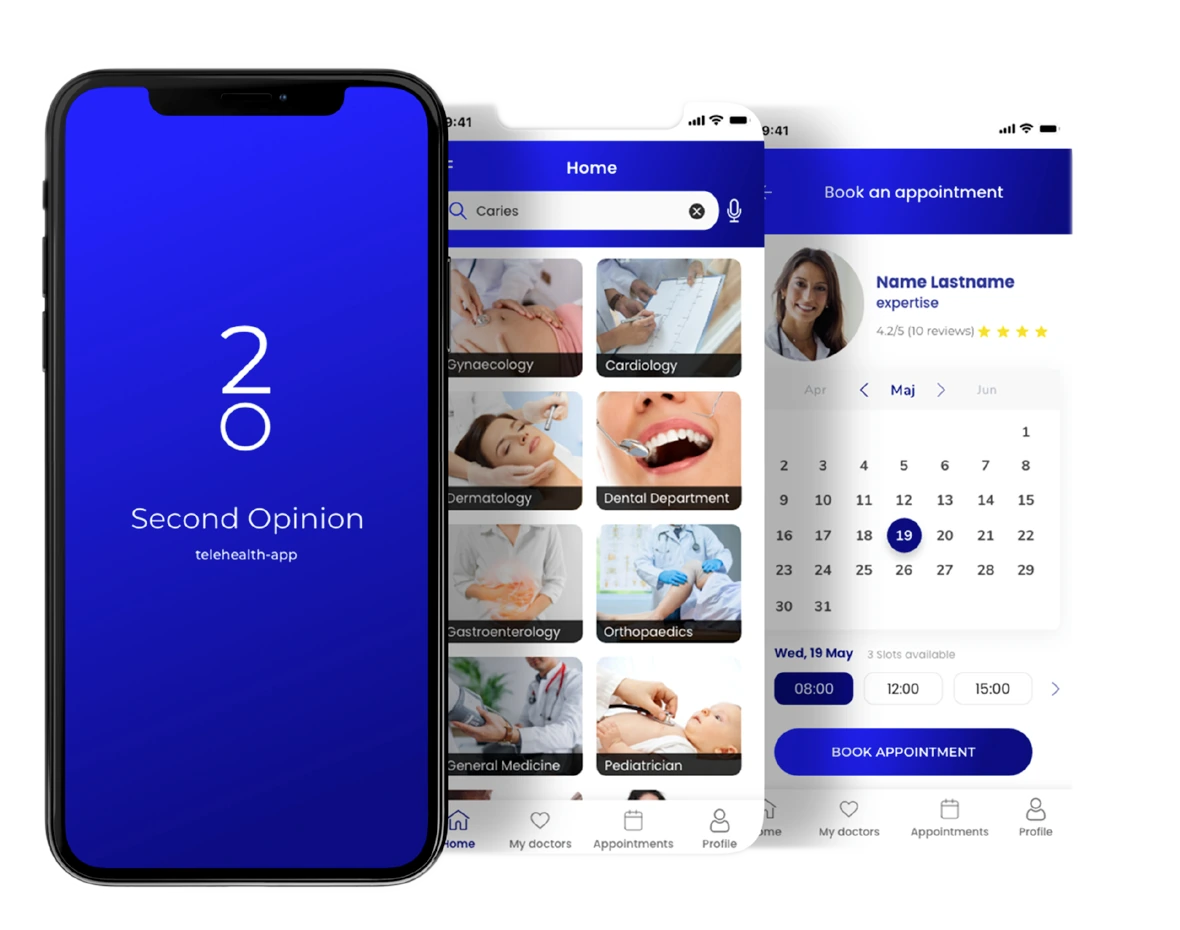 Second OpinionGetting a patient to trust a doctor they have never met
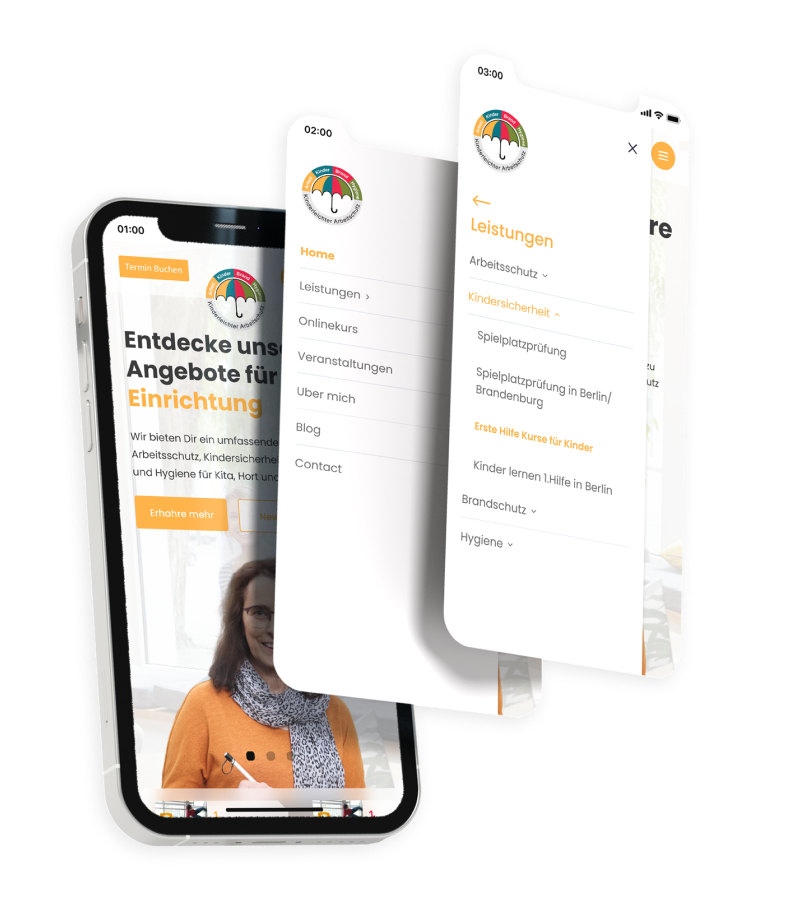 Kinderleichter ArbeitsschutzGiving a safety-services business its first digital product
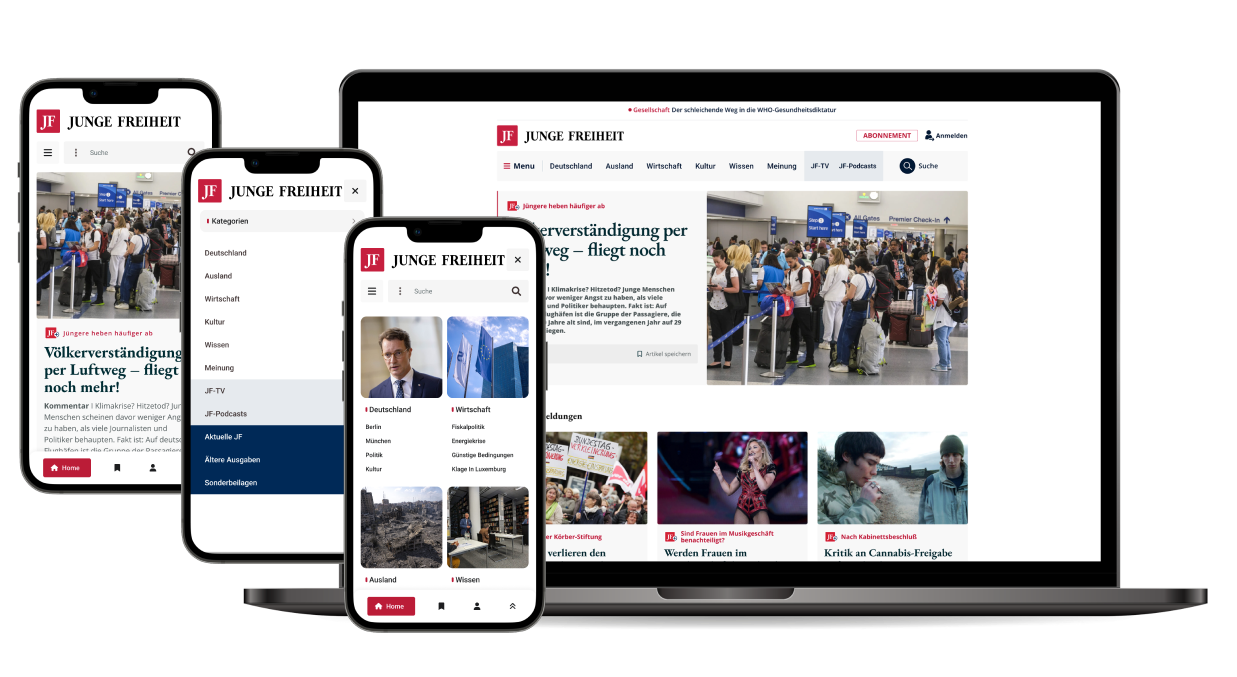 Junge FreiheitMaking a decades-old publication legible again online